
Heritage of Pakistan
Home
Discover
Explore
Map
  • Forts
  • Temples
  • Churches
  • Mountains & Valleys
  • National Parks
  • Mosques
  • Tombs
  • Shrines
  • Lakes
  • Gurdwara
  • Archaeological sites
  • Palaces

Explore Forts

Discover stunning fortifications of Pakistan

Discover more
Explore Forts
Heritage of Pakistan

Near You

Nearby You

Featured

Editor's Picks

Top Rated by Travellers

Most loved

Hidden Gems

Beyond the Tourist Trail

By Region

Explore by region

Architecture

Architectural Wonders

Plan Your Visit

Trip Ideas

Photos

Discover through Photos

Browse the archive →

Location

Find Heritage on the Map

Open the map →

Heritage of Pakistan

Discover 5,000+ years of history

Save sites, plan trips, and track your visits across Pakistan.

Discover | Explore | Preserve

Discover

Discover

Dashboard

Heritage of Pakistan

Please rotate to portrait

Explore
Explore
Map
Loading sites…
Loading…
Tomb of Asif Jah

Tomb of Asif Jah

GPS
Back to Article
Back to ArticleLahore, Punjab
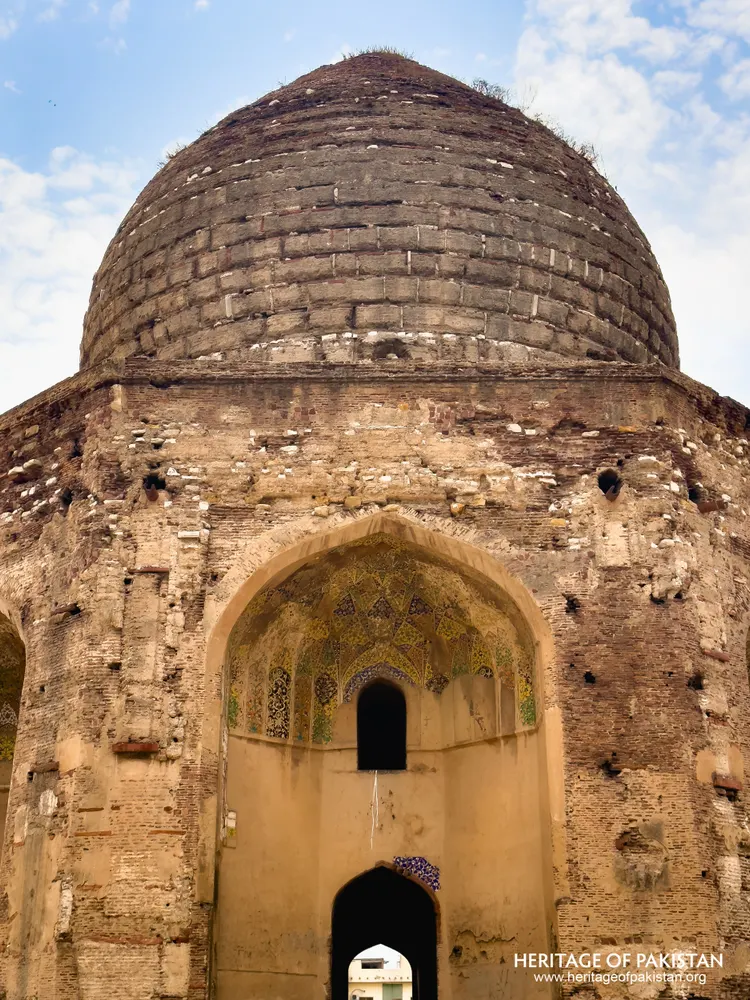
The Tomb of Asif Jah, located in Shahdara Bagh, Lahore, Punjab, Pakistan, is the mausoleum of Mirza Abul Hassan Asaf Khan, brother of Empress Nur Jahan and father of Mumtaz Mahal. Built in the 17th century, it features Mughal architectural elegance with red sandstone, marble inlay, and intricate geometric patterns.
ArchitectureTombsMughal Architecture 1526 to 1707CE | Mughal Empire EraUNESCO World Heritage Tentative ListDomes ArchesArched WindowsNiches
Gateway framing the Tomb of Asif Jah gardens beyond.
Passage revealing gardens and tomb structure within.
Ornate tile panels decorate the passage entrance.
Brick dome and garden reveal the Tomb of Asif Jah's scale.
Heritage board marks the Tomb of Asif Jah for visitors.
The octagonal tomb rises amid Charbagh gardens and water.
Brick mausoleum rises from manicured gardens with walking path approach
Pathway guides visitors through the Tomb of Asif Jah's surrounding gardens
Three arched openings punctuate the Tomb of Asif Jah's brick facade
Manicured gardens frame this masterwork of Mughal-era brick architecture
Symmetry and scale define the Tomb of Asif Jah's enduring presence
Weathered brick reveals the tomb's octagonal design and arched recesses
Bulbous dome crowns the octagonal structure of Asif Jah's 17th-century tomb.
Stucco ornamentation frames the central arch amid weathered brick walls.
Three arched openings punctuate the weathered brick facade of the structure.
An angled perspective reveals the tomb's monumental dome and recessed arch openings.
Decorative tilework and stucco arch detail survive on the tomb's exposed brick
The Tomb of Asif Jah rises from its octagonal platform in exposed
Exposed brick reveals centuries of weathering and material loss.
Twin archways pierce the Tomb of Asif Jah's eroded brick tower.
Gateway framing the Tomb of Asif Jah gardens beyond.
Passage revealing gardens and tomb structure within.
Ornate tile panels decorate the passage entrance.
The octagonal tomb rises amid Charbagh gardens and water.
Brick dome and garden reveal the Tomb of Asif Jah's scale.
Heritage board marks the Tomb of Asif Jah for visitors.
Brick mausoleum rises from manicured gardens with walking path approach
Pathway guides visitors through the Tomb of Asif Jah's surrounding gardens
Three arched openings punctuate the Tomb of Asif Jah's brick facade
Weathered brick reveals the tomb's octagonal design and arched recesses
Manicured gardens frame this masterwork of Mughal-era brick architecture
Symmetry and scale define the Tomb of Asif Jah's enduring presence
Bulbous dome crowns the octagonal structure of Asif Jah's 17th-century tomb.
Stucco ornamentation frames the central arch amid weathered brick walls.
Three arched openings punctuate the weathered brick facade of the structure.
The Tomb of Asif Jah rises from its octagonal platform in exposed
An angled perspective reveals the tomb's monumental dome and recessed arch openings.
Decorative tilework and stucco arch detail survive on the tomb's exposed brick
Exposed brick reveals centuries of weathering and material loss.
Twin archways pierce the Tomb of Asif Jah's eroded brick tower.